1. Why a modern wellness plan works better than dieting alone
2. The real problem with dieting alone
3. What a modern wellness plan actually means
4. How the LuckDate system fits this topic
5. The five pillars that make the plan stronger
6. Where products fit without becoming shortcuts
7. A seven-day routine that is realistic enough to repeat
8. How to know whether the plan is worth continuing
9. Common mistakes that make wellness plans fail
10. FAQ
11. Final Thoughts
12. Extended Reading
1. Why a modern wellness plan works better than dieting alone
A modern wellness plan works better than dieting alone because it builds a repeatable life system around food, movement, sleep, stress, feedback, product support, and guided adjustment without relying only on restriction.
Dieting alone usually starts with one narrow instruction: eat less, avoid more, push harder, or follow the rule until the body changes. That can create short-term structure, but it often leaves the real problem untouched. Real life is not controlled by a meal plan. It includes work deadlines, travel, family meals, low sleep, stress cravings, restaurant choices, hormonal shifts, social weekends, and days when motivation is simply not available.
A modern wellness plan works better because it does not ask one food rule to carry the whole burden. It creates a system that can survive normal life. The plan gives meals a structure, movement a rhythm, recovery a place, body feedback a meaning, and support a role. The better question becomes, “What makes this routine easier to repeat next week?”
This is why the topic belongs naturally inside LuckDate’s first content cluster: brand system and youthful-state management. The point is not to replace dieting with another rigid program. The point is to explain why a connected wellness system can support a lighter, steadier, more capable daily state better than a short-term diet that depends on willpower alone.
For LuckDate, the stronger answer is system design. Food choices matter. Movement matters. Sleep matters. Tracking visibility matters. Product roles may help when they are matched to the right routine gap. Guidance matters when the plan needs adjustment. Together, these pieces form a modern wellness plan that can be repeated, reviewed, and improved over time.
2. The real problem with dieting alone
The real problem with dieting alone is that it treats body management as a food-only challenge, while sustainable wellness depends on the full rhythm of daily life.
A diet can tell you what to eat. It cannot automatically solve why dinner becomes chaotic, why late-night snacking appears after poor sleep, why a skipped breakfast leads to overeating, why a hard workout routine disappears after two busy workdays, or why a single scale fluctuation can feel like failure. Those are routine problems, feedback problems, and support problems, not just food problems.
The CDC: Steps for Losing Weight describes healthy weight loss as a lifestyle pattern that includes healthy eating, regular physical activity, enough sleep, and stress management. That public guidance is important because it confirms what many people learn the hard way: a plan built only around food restriction is usually too fragile for real life.
Dieting alone also creates a narrow definition of progress. If the scale drops, the plan feels successful. If the scale stalls, the plan feels broken. But body weight can change from water, sodium, digestion, sleep, menstrual cycle, travel, exercise soreness, medication, and stress. A modern plan looks at the whole trend: energy, body composition, waist comfort, meal consistency, movement, recovery, mood, and the ability to return after imperfect days.
The most damaging part of dieting alone is the restart cycle. Monday begins with strict rules. Thursday gets busy. Friday becomes “off plan.” Monday starts again. Over time, the person does not just lose consistency; they lose trust in the process. A better plan has to be less dramatic and more durable.
That is the first difference between dieting and a modern wellness plan. Dieting often tries to control the day. A modern wellness plan tries to design a day that can be repeated.
3. What a modern wellness plan actually means
A modern wellness plan is a connected routine framework that combines nutrition structure, movement, recovery, tracking visibility, product support when appropriate, and guided adjustment.
It is not a trend diet. It is not a supplement stack. It is not a tracking app by itself. It is not a promise that every body will respond the same way. A modern plan is useful because each part has a job.
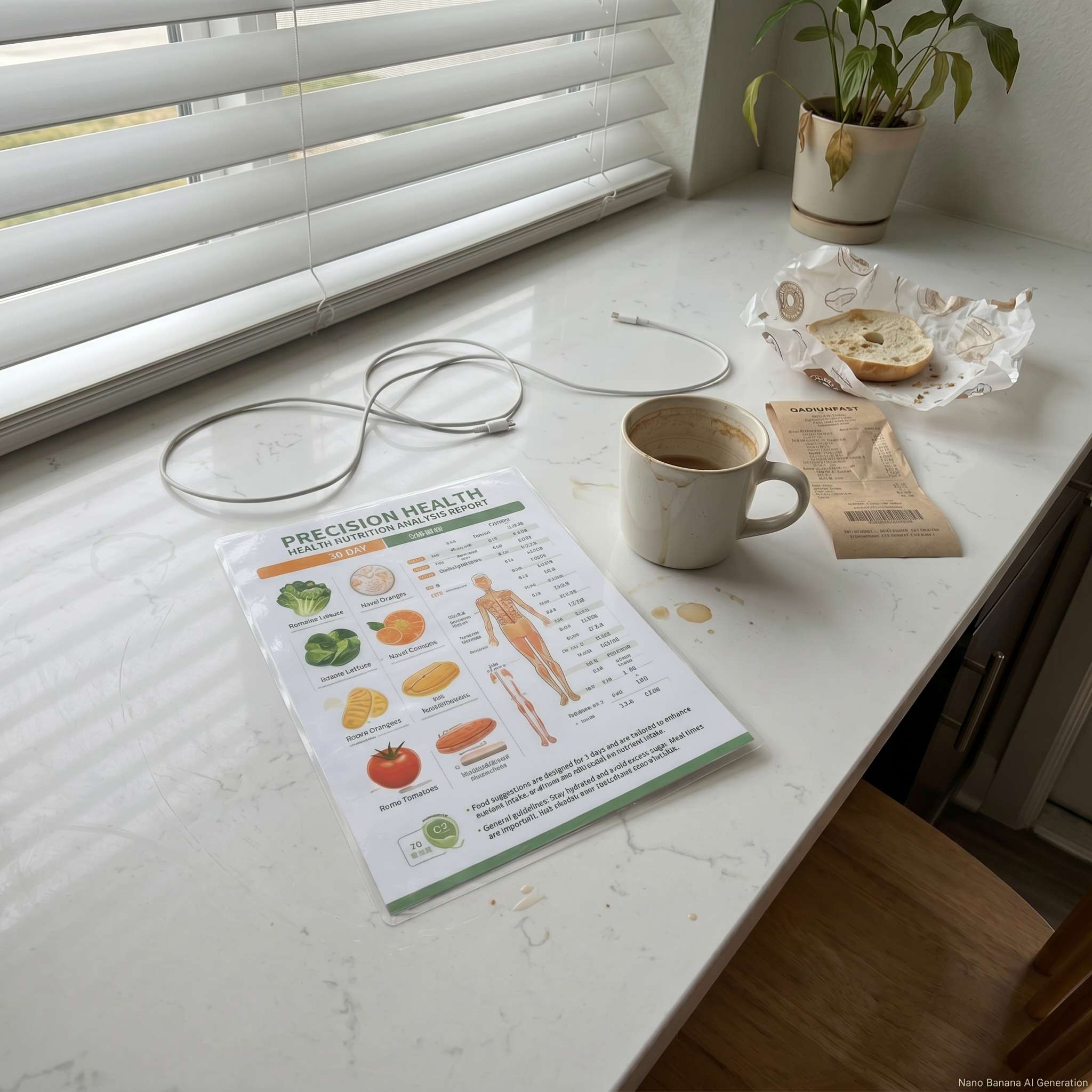
Nutrition structure gives the day a baseline. This can mean regular meals, enough protein, fiber-rich foods, vegetables or fruit, water, and a realistic plan for busy days. It does not need to mean harsh restriction or complicated rules.
Movement gives the body a reason to feel more capable. Walking, strength training, mobility, active breaks, and consistent daily steps can support energy use, muscle maintenance, circulation, and confidence. The best movement plan is not the most intense one. It is the one that can return after a busy week.
Recovery protects the plan from becoming another stressor. Sleep and stress shape appetite, cravings, energy, patience, and training quality. A plan that ignores recovery often feels harder than it needs to be.
Tracking visibility turns effort into information. A few records can show whether the routine is moving in the right direction: product consistency, meal rhythm, movement, water, sleep, body trend, energy, and body feel. The goal is not obsessive control. The goal is pattern awareness.
Product support belongs where there is a clear routine role. A product may support meal rhythm, light body management, daily wellness consistency, or healthy-aging routine support. It should not be treated as a shortcut around foundations.
Guided adjustment is what keeps the plan from becoming static. If the same step fails repeatedly, the answer is not always “try harder.” Sometimes the product timing is wrong, the meal plan is too strict, the tracking is too detailed, or the movement target is too ambitious. Good guidance helps simplify the next step.
That is the modern part. The plan does not stay frozen. It learns from the week.
4. How the LuckDate system fits this topic
The LuckDate system fits this topic because it explains wellness as a connected routine: product roles, tracking visibility, and nutritionist-style support working around daily foundations.
LuckDate should not be understood as a generic supplement shelf. A shelf begins with products and asks what to buy. A system begins with the routine and asks what kind of support belongs there. That difference matters for this title because dieting alone is also too narrow. It asks food to do everything. A modern wellness plan distributes the work across the whole day.
LuckDate’s brand idea, Stay Young Longer, should be read as a routine philosophy, not as an age-reversal claim. It points toward a steadier youthful-state: feeling lighter, more consistent, more energetic, more aware of body patterns, and more capable of returning to a healthy rhythm after disruption.
Inside that framework, LuckDate has three useful roles.
First, products can support specific routine needs. For example, Fitoo can fit a light body routine when paired with meal structure, hydration, movement, and consistency. NMN 1000mg Liposomal Capsules can fit the long-term vitality conversation around NAD+ pathway support, without implying age reversal. Product roles should stay specific, supportive, and realistic.
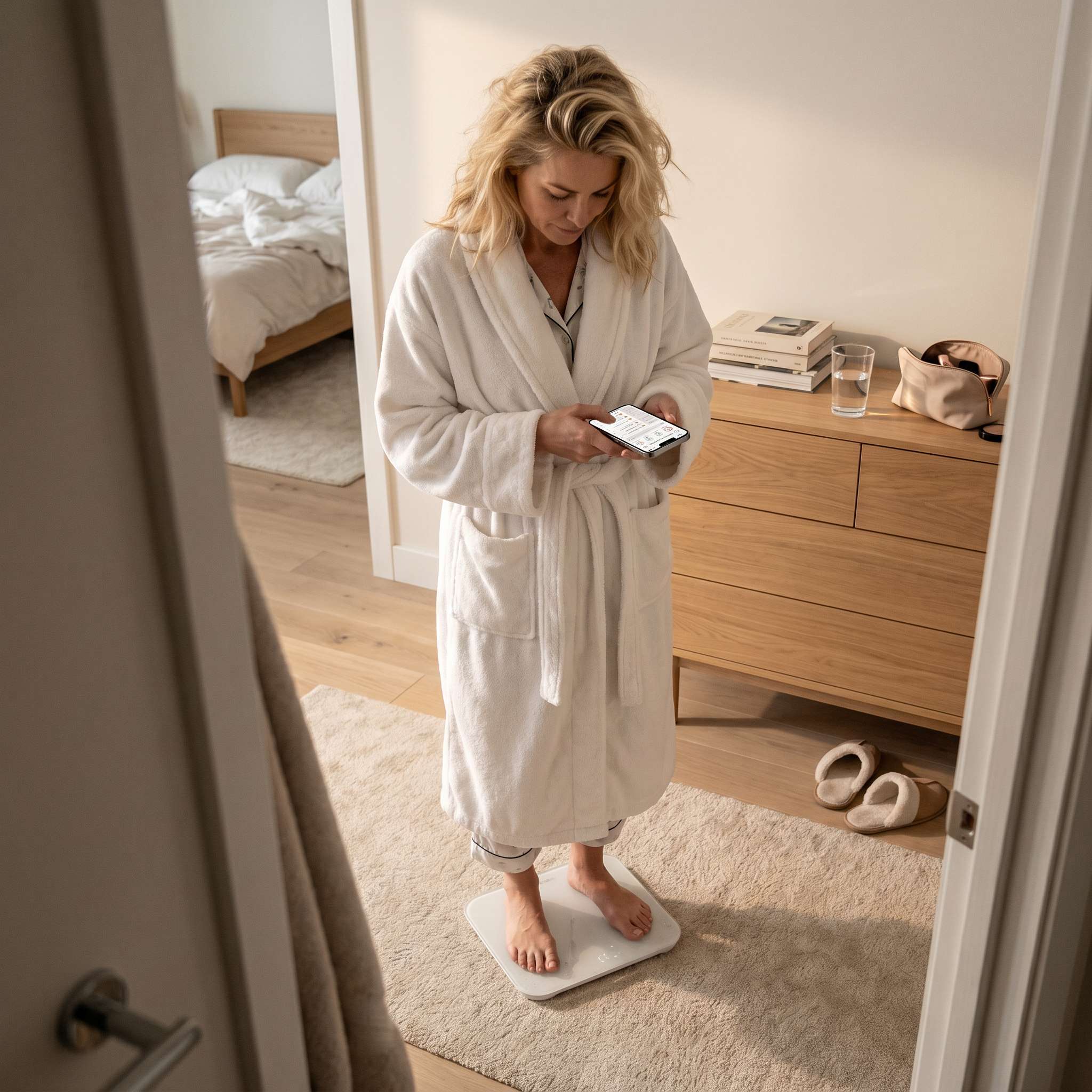
Second, tracking can make patterns visible. Smart Scale Air can support body-composition visibility and weekly routine feedback. That is different from using a scale as a daily judgment tool. The purpose is to understand trends and context, not to turn every number into an emotional verdict.
Third, guidance can help the plan adjust. Nutritionist-style support matters because most routines do not fail from lack of information. They fail when life changes and the plan does not adapt. Guidance can help decide whether to simplify tracking, adjust meal timing, change product placement, add movement gradually, or focus on recovery before adding more.
This is the reason LuckDate belongs in an article about modern wellness plans. The brand’s strongest role is not promising a faster outcome. It is organizing the wellness process into a system that is easier to understand and repeat.
5. The five pillars that make the plan stronger
A modern wellness plan becomes stronger when it is built on five practical pillars: food structure, movement rhythm, recovery, feedback, and support.
Food structure: less chaos, not more punishment
A strong food structure reduces decision fatigue. It gives the day a few reliable anchors: a protein-forward first meal, fiber-rich foods, water, a realistic lunch option, and a plan for evenings. The goal is not to remove every enjoyable food. The goal is to prevent the day from becoming so chaotic that the easiest option is always the least supportive one.
NIDDK: Eating and Physical Activity to Lose or Maintain Weight notes that a healthy eating plan that can be maintained over time is central to losing or maintaining weight. That phrase, “maintained over time,” is the key. A plan that is technically perfect but impossible to repeat is not a strong plan.
Movement rhythm: capability before intensity
Movement should help the body feel more capable, not turn the plan into punishment. For many adults, the first useful target is not an extreme workout. It may be a daily walk, two simple strength sessions each week, a mobility routine, or a step pattern that interrupts long sitting.
Physical activity guidelines commonly recommend both aerobic activity and muscle-strengthening activities for adults. But the practical starting point should match the person’s current life. A plan that begins too aggressively often creates soreness, fatigue, and dropout. A plan that begins realistically can grow.
Recovery: the hidden foundation
Sleep and stress are not side issues. They shape hunger, cravings, energy, mood, and the ability to make steady choices. A dieting-only mindset often ignores this. A modern wellness plan protects recovery because the body is not separate from the schedule it lives in.
If sleep is consistently short, the plan may need a simpler morning meal, a lighter evening routine, caffeine boundaries, or a lower-friction movement target. That is not weakness. That is system adjustment.
Feedback: the plan needs context
Feedback helps separate a real pattern from a noisy day. Body weight alone can be misleading. A better review includes energy, meal consistency, waist comfort, movement, sleep, hydration, product consistency, and body-composition trend where available.
This is where visibility tools can help. A single number should not decide the week. A trend can give the week context.
Support: adjustment beats restart
Support is the difference between “I failed” and “the plan needs one change.” A nutritionist, coach, app routine, weekly review, or structured product plan can help identify the smallest useful adjustment. Maybe lunch needs more protein. Maybe tracking needs to be simpler. Maybe the product should move to a more visible cue. Maybe the target should be two weeks of consistency before anything else is added.
A modern plan improves because it can be adjusted. A diet often collapses because it can only be followed or broken.
6. Where products fit without becoming shortcuts
Products belong in a modern wellness plan only when they have a clear job inside the routine; they should support the foundation, not replace it.
This point is essential for a trustworthy LuckDate article. The article should not tell people that a product works better than dieting. That would be too shallow and too easy to misunderstand. The better message is that a product can support a modern wellness plan when the plan already has structure.
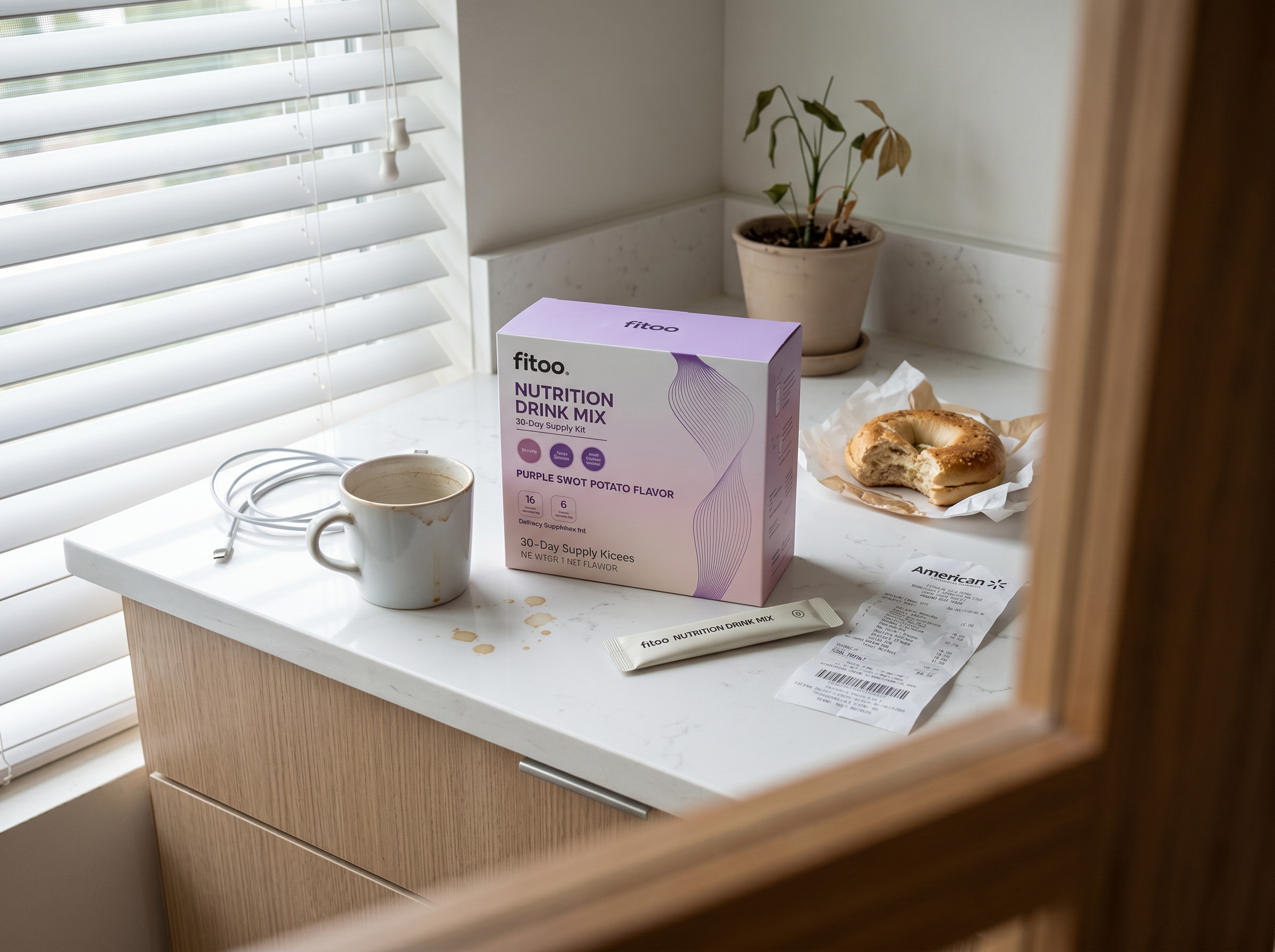
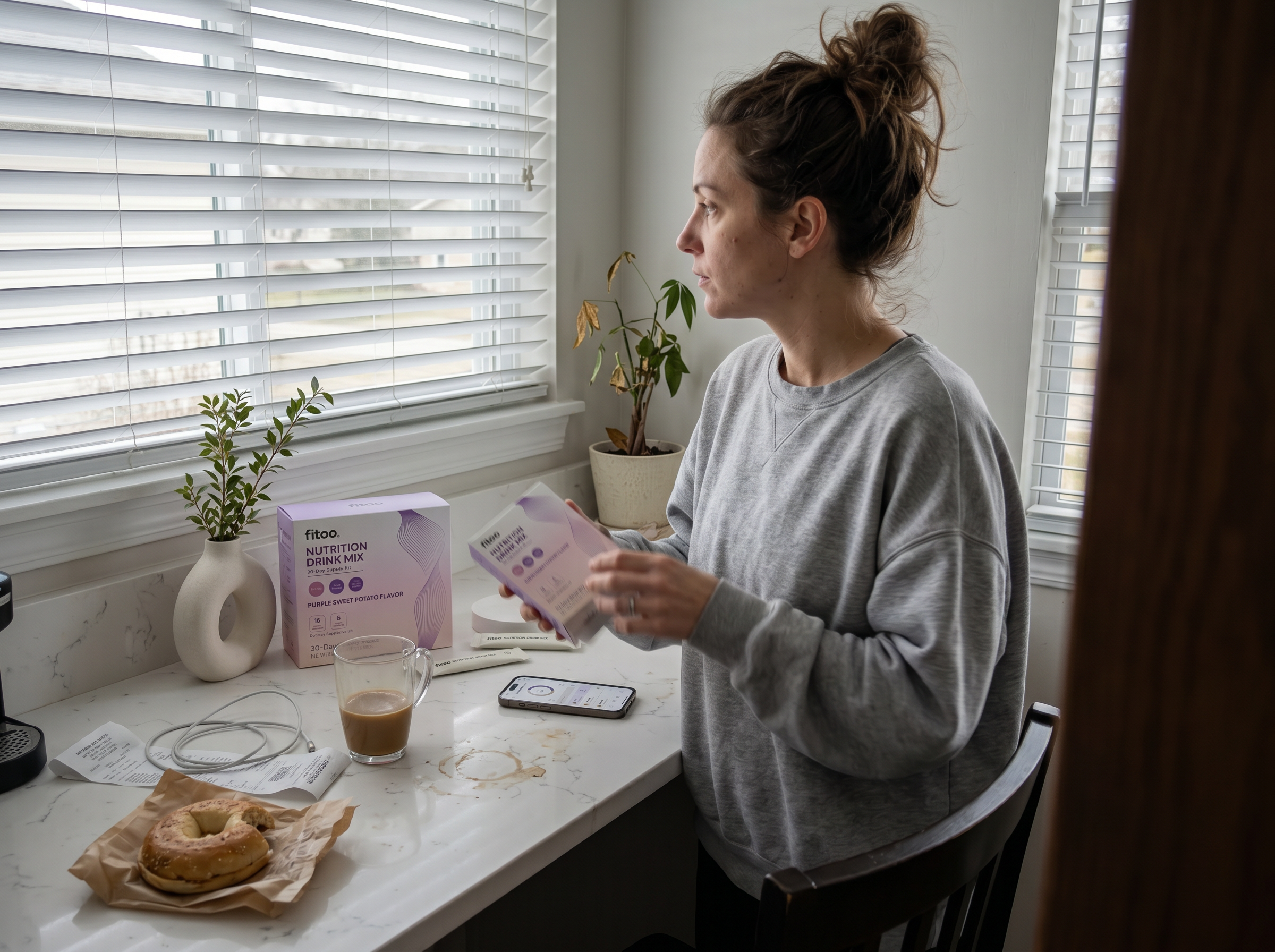
Fitoo fits the light body management layer. It can be positioned as routine support for people who want more structure around body goals, meal rhythm, and daily consistency. It should not be framed as a crash-diet product, medical weight-loss treatment, or certain-path slimming shortcut.
Smart Scale Air fits the feedback layer. It can help make body-composition visibility easier to review over time. Its role is not diagnosis. Its value is routine feedback: seeing patterns beyond a single daily scale number.
NMN 1000mg Liposomal Capsules and 5-in-1 NMN Resveratrol Capsules fit the long-term vitality support layer. NMN is commonly discussed in relation to NAD+ pathways and cellular energy metabolism. The responsible wording is healthy-aging routine support, not age reversal, lifespan claims, or certain transformation.
Aura Probiotic Gummies may fit articles about feminine wellness and daily comfort, but it does not need to be forced into every wellness-plan article. When mentioned in the wider LuckDate ecosystem, its role should stay cautious: daily freshness, intimate comfort, and healthy flora balance support. It should not be described as a treatment for infections, odor, or hormone issues.
The rule is simple: every product needs a reason to appear. If the reason is not clear, the article should stay focused on the routine.
7. A seven-day routine that is realistic enough to repeat
The first week of a modern wellness plan should prove repeatability, not chase dramatic body change.
A useful seven-day plan is simple enough to follow and specific enough to create momentum. It should help someone move from restriction thinking to system thinking.
Day 1: Set a baseline without judgment
Record a few starting signals: sleep, meal timing, movement, water, energy, body weight or body-composition trend, and the main reason the current routine feels difficult. If using Smart Scale Air, treat the first record as a baseline, not a grade.
Day 2: Build the first meal anchor
Choose a first meal that is easy to repeat. A practical structure can include protein, fiber-rich food, and water. The goal is not perfection. The goal is to reduce the late-day hunger and decision fatigue that often make dieting feel impossible.
Day 3: Add a movement anchor
Choose one movement action that can survive a busy day: a 20-minute walk, a short strength routine, a mobility session, or two walking breaks. The first target should feel almost too easy. A repeatable action can always grow later.
Day 4: Add one support product only if it has a role
If light body management is the priority, Fitoo may be placed into a consistent routine moment. If long-term vitality support is the priority, NMN may be paired with an existing habit. Do not add multiple new products at once. One product role is easier to evaluate than a crowded routine.
Day 5: Protect the evening
Choose one evening improvement: a simpler dinner, a fixed wind-down cue, water earlier in the evening, reduced late snacking, or a consistent bedtime target. A better morning often starts with a less chaotic night.
Day 6: Identify the friction point
Find the step that did not repeat. Was the meal plan too complicated? Was movement scheduled at the wrong time? Was tracking too detailed? Was the product not visible? The answer should produce one adjustment, not a full restart.
Day 7: Review the week as a pattern
Review the whole week: meals, movement, sleep, water, body feel, body trend, supplement consistency, and stress. Keep what worked. Remove what felt unrealistic. Choose one improvement for the next seven days.
This routine is not flashy. That is the point. A modern wellness plan becomes powerful because it can be repeated on ordinary weeks, not only during a perfect reset.
8. How to know whether the plan is worth continuing
A wellness plan is worth continuing when it makes healthy choices easier to repeat, gives useful feedback, and improves the weekly rhythm without making life feel smaller.
Fast visible change is not the only sign of value. In the first two to four weeks, the best signals may be more practical: fewer skipped meals, steadier energy, more consistent walking, less late-night chaos, clearer body-feedback trends, better water intake, or more confidence returning after a social meal.
Continue the plan if it feels realistic on normal weekdays. Adjust the plan if the same step fails repeatedly. Simplify the plan if tracking creates stress. Pause and seek qualified guidance if symptoms, medication use, pregnancy, chronic conditions, disordered eating history, or medical concerns are part of the picture.
Products should be evaluated the same way. Did the product make the routine easier to follow? Did it fit a consistent cue? Did it support the goal without replacing the foundations? If the answer is unclear, simplify the plan before adding more.
A modern wellness plan is not judged by how intense it looks. It is judged by whether it creates a better week that can become a better month.
9. Common mistakes that make wellness plans fail
Most wellness plans fail when they become too strict, too crowded, too vague, or too disconnected from real life.
Mistake 1: Replacing one extreme diet with another extreme system. A modern wellness plan should be more flexible than dieting alone, not another complicated rulebook.
Mistake 2: Adding too many products at once. If several products start on the same day, it becomes difficult to know what is helping, what is unnecessary, and what is making the routine harder.
Mistake 3: Tracking everything but changing nothing. Data is only useful when it leads to a small, realistic adjustment. Tracking should clarify the next step, not become another burden.
Mistake 4: Treating sleep as optional. Poor sleep can affect energy, appetite, training quality, and food choices. If sleep is consistently weak, the plan should address recovery before adding complexity.
Mistake 5: Using the scale as the only measure. Weight is one signal, not the whole story. Body feel, energy, waist comfort, strength, routine consistency, and body-composition trends can provide better context.
Mistake 6: Confusing support with medical care. Wellness products, tracking tools, and nutrition guidance can support daily routines. They are not substitutes for medical evaluation, diagnosis, or treatment.
10. FAQ
Q: What makes a modern wellness plan better than dieting alone?
A modern wellness plan is better because it includes the full daily system: nutrition structure, movement, sleep, stress management, feedback, and support. Dieting alone usually focuses on food restriction. A modern plan is more durable because it can be repeated, reviewed, and adjusted when normal life gets in the way.
Q: Does a modern wellness plan mean I do not need to care about food?
No. Food still matters. The difference is that food is not asked to solve everything by itself. A strong plan still includes healthy eating patterns, enough protein, fiber-rich foods, water, and realistic meal timing. It also includes movement, recovery, feedback, and support so the food plan becomes easier to maintain.
Q: Where does Fitoo fit in this kind of plan?
Fitoo fits as light body routine support when the foundation is already in place: meal structure, hydration, movement, and consistency. It should not be treated as a crash-diet product or a medical weight-loss solution. Its best role is helping support a repeatable light body routine, not replacing the routine.
Q: Can Smart Scale Air help without making the plan feel stressful?
Yes, if it is used for trend visibility, not daily judgment. Smart Scale Air can help make body-composition patterns easier to review over time. The healthiest use is weekly context: what is changing, what is stable, and what the routine may need next. It should not be used as a diagnostic device or emotional scorecard.
Q: Should NMN be part of a wellness plan focused on dieting?
NMN is better understood as part of a long-term vitality and healthy-aging routine conversation, not as a dieting product. NMN is often discussed in relation to NAD+ pathways and cellular energy metabolism. Responsible use should stay within supportive wellness language and should not imply age reversal, disease treatment, or certain results.
Q: How long should I try a modern wellness plan before judging it?
Two to four weeks is a more useful review window than a few days. Early signs may include steadier meals, easier movement, better sleep timing, fewer all-or-nothing days, clearer body feedback, and better consistency. Body-composition changes can take longer and should be judged by trends, not single-day changes.
Q: Who should talk with a healthcare professional before starting?
Anyone who is pregnant or nursing, taking medication, managing a medical condition, recovering from an eating disorder, preparing for surgery, or experiencing persistent symptoms should consult a qualified healthcare professional before starting a new supplement, meal replacement, weight-management plan, or major wellness routine.
11. Final Thoughts
A modern wellness plan works better than dieting alone because it is built for real life.
It does not depend on one perfect rule. It gives the body a stronger environment: more stable meals, realistic movement, better recovery, clearer feedback, and support that can adjust the plan before it breaks.
This is also the clearest way to understand LuckDate’s role. LuckDate is strongest when it is presented as a system, not a shortcut. Fitoo can support light body routines. Smart Scale Air can support body-composition visibility. NMN products can support a healthy-aging routine conversation. Nutritionist-style guidance can help turn weekly feedback into realistic next steps.
The best next step is simple: choose one foundation, one feedback signal, and one routine-support action. Repeat them for two weeks before adding more. A plan that can be repeated calmly is already stronger than a diet that only works when life is perfect.
12. Extended Reading
Required Disclaimers
This article is for educational purposes only and is not medical advice. LuckDate products and wellness routines are not intended to diagnose, treat, cure, or prevent any disease. Consult a qualified healthcare professional before starting any supplement, meal replacement, weight-management plan, or major wellness routine, especially if you are pregnant or nursing, taking medication, or managing a medical condition.