1. Why Tracking Your Wellness Routine Can Help You Stay Consistent
2. Key Takeaways
3. How Tracking Changes Daily Wellness Decisions
4. What Signals Are Worth Recording
5. How to Keep Tracking Low-Pressure
6. How Product Feedback and App Records Work Together
7. A Simple Weekly Review Path
8. Common Tracking Mistakes That Make Consistency Harder
9. FAQ
10. Extended Reading
Why Tracking Your Wellness Routine Can Help You Stay Consistent
Why tracking your wellness routine can help you stay consistent comes down to visibility. When meals, movement, sleep, hydration, body feel, and body-composition trends are recorded in a simple way, daily choices become easier to understand. A routine no longer depends only on motivation or memory; it becomes something you can review, adjust, and repeat with less guesswork.
Consistency often breaks down because the feedback loop is too blurry. You may feel low on energy, skip workouts, sleep late, or change eating patterns without seeing how those details connect. Tracking gives those details a place to land. Over several days, small signals begin to show patterns: a late bedtime may line up with stronger cravings, a stressful week may reduce movement, or a steady breakfast habit may support better afternoon energy.
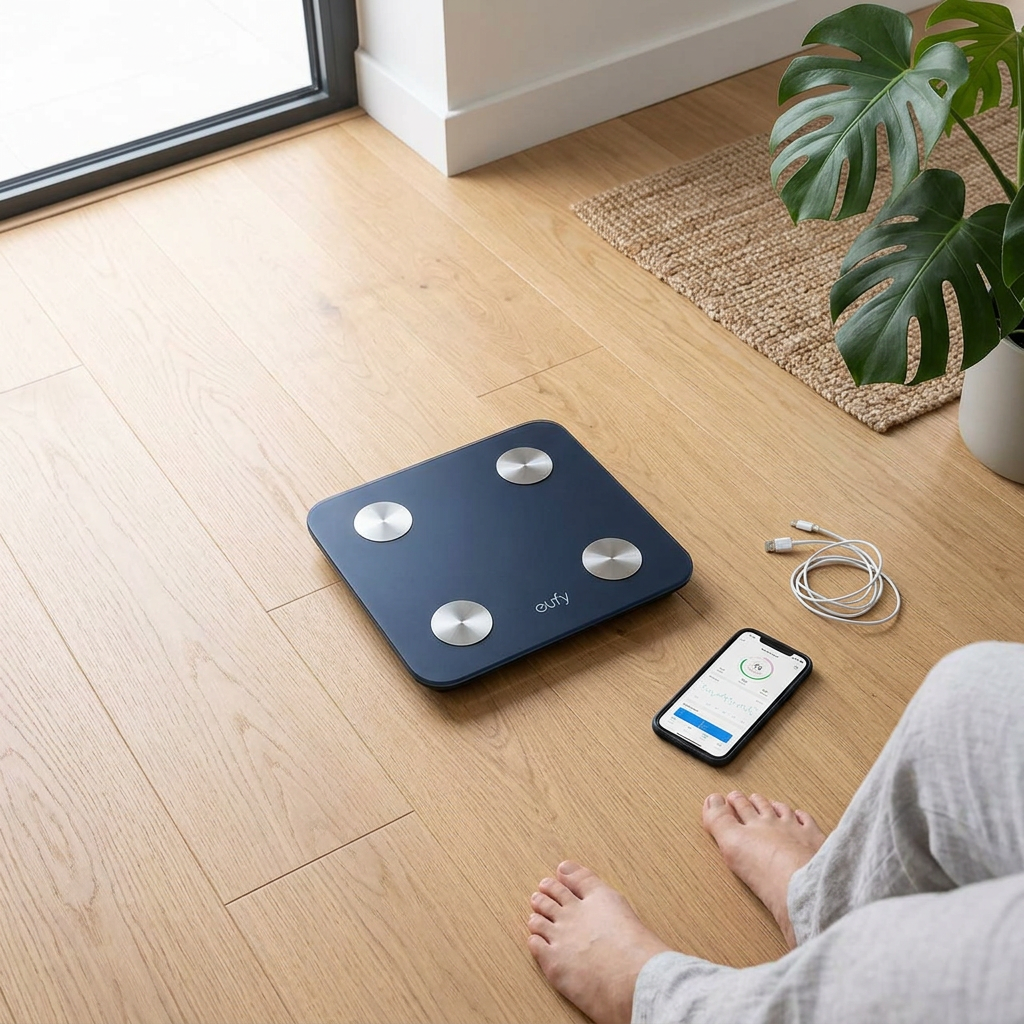
For LuckDate’s App & Progress Tracking approach, the goal is practical awareness. A wellness routine works best when records help you make calm decisions, not when every number becomes a score. Tools such as the Smart Scale Air can support this by showing body-composition feedback alongside routine habits, giving you a broader view than weight alone.
Key Takeaways
- Tracking improves consistency by making patterns visible. A short record can show what supports your routine and what commonly disrupts it.
- The most useful signals are simple and repeatable. Sleep timing, movement, meals, hydration, mood, energy, and body feel are often enough to guide better choices.
- Trend review matters more than single-day results. One unusual day rarely tells the full story; weekly patterns are more useful for routine decisions.
- Low-pressure tracking is more sustainable. A routine record should reduce friction, not add another source of stress.
- Body-composition visibility can add context. Smart scale feedback may help connect daily habits with longer-term changes when viewed carefully and realistically.
How Tracking Changes Daily Wellness Decisions
A busy Tuesday can make wellness feel random: coffee replaces breakfast, lunch happens late, movement gets pushed aside, and bedtime drifts. Without a record, that day may simply feel like a failure. With tracking, it becomes information. You can see which part of the routine slipped first and choose one practical adjustment for tomorrow.
Daily records also lower the mental load of decision-making. If your notes show that a 20-minute walk after lunch helps afternoon focus, that choice becomes easier to repeat. If your sleep log shows that late-night scrolling often shortens rest, the next step is clearer. Tracking turns vague intentions into visible cues.
The strongest benefit appears over time. A single weigh-in, workout, or meal note has limited meaning by itself. A two-week pattern can reveal whether your current routine is realistic, too ambitious, or missing a support habit. That is the heart of App & Progress Tracking: using records to guide behavior adjustment without turning wellness into constant self-evaluation.
What Signals Are Worth Recording
The most useful wellness signals are the ones that explain whether your routine is livable, repeatable, and moving in a healthy direction over time. A strong tracking habit usually starts with five categories: sleep, movement, meals, hydration, body feel, and body-composition trends.
Sleep is worth recording because low sleep can change hunger, mood, training quality, and decision-making the next day. A simple entry such as “6.5 hours, woke twice, low energy after lunch” is often more helpful than a perfect-looking number with no context. The CDC: About Sleep and Health explains that sleep affects many aspects of health, which makes it a practical anchor for routine review.
Movement tracking does not need to mean counting every calorie burned. For many people, a daily step range, workout completion, stretching session, or active minutes note is enough. Meal tracking can stay equally simple: protein at breakfast, vegetables at lunch, late-night snacking, or whether a meal kept you satisfied for three to four hours.
Body feel signals are often the missing layer. Energy, digestion, soreness, stress level, cravings, and mood can explain why the same plan feels easy one week and difficult the next. Body-composition data can add another perspective when reviewed as a trend, especially when weight alone feels confusing.
How to Avoid Over-Tracking Pressure
Tracking stays low-pressure when it helps you make one better decision without turning the routine into a daily performance score. The goal is pattern awareness, so the best log is the one you can complete in under two minutes.
A practical boundary is the “three core signals” rule. Choose one behavior signal, one body signal, and one recovery signal. For example: steps, body-composition trend, and sleep quality. If stress is your biggest obstacle, swap in a one-to-five stress rating. If meals are inconsistent, track breakfast protein or dinner timing for two weeks before adding anything else.
Frequency matters too. Daily check-ins can be short, while deeper review belongs once a week. Daily entries answer, “What happened today?” Weekly review answers, “What pattern is showing up?” That difference keeps tracking from becoming a source of pressure. Research on self-monitoring in weight management, including this PubMed Central: Self-Monitoring in Weight Management Review, suggests that recording behaviors can support progress, but consistency and usability matter in real life.
If a metric makes you anxious, reduce its frequency or pair it with context. A body-weight number after poor sleep, a salty dinner, or a hard workout can fluctuate for reasons unrelated to long-term progress. Notes help protect the routine from overreaction.
How Product Feedback and App Records Work Together
Product feedback and app records work best when they connect body data with the habits that may be influencing it. A scale reading, sleep note, meal pattern, or workout log becomes more useful when viewed together across several weeks.
For example, someone may notice that weight stays similar, but energy improves, workouts feel easier, and body-composition trends begin shifting gradually. Another person may see that late dinners and short sleep often appear before low-energy mornings. These connections are hard to spot from memory alone.
The LuckDate Smart Scale Air can support this kind of routine feedback by giving body-composition visibility beyond a single weight number. Used with simple app records, it helps turn scattered daily actions into a clearer progress picture. The most helpful approach is to review the trend line, add brief context, and adjust one behavior at a time.
Good tracking also respects the evidence boundary. Home wellness tools can support awareness and routine decisions, but they do not diagnose conditions or guarantee outcomes. Their practical value comes from helping you notice whether your current routine is sustainable, where friction appears, and which small adjustments are worth testing next.
A Simple Weekly Review Path
A weekly review turns daily wellness notes into useful direction. The goal is to notice patterns early enough to adjust your routine, while keeping the process light enough to repeat. Ten minutes once a week is usually more helpful than checking every number several times a day.
Step 1: Choose one review time
Pick a consistent window, such as Sunday evening or Monday morning. Reviewing at the same time gives your records context. A late-night check after a stressful day may feel emotional; a planned review feels more like a reset.
Step 2: Look at trends before single-day changes
One unusual reading, skipped workout, or low-energy day rarely tells the full story. A seven-day view can show whether your sleep, movement, hydration, meals, or body-composition feedback is moving in a steady direction. If you use the Smart Scale Air, treat its body-composition visibility as routine feedback across time, not as a daily scorecard.
Step 3: Compare records with body feel
Numbers gain meaning when paired with lived signals. Ask: Did energy stay stable in the afternoon? Did digestion feel comfortable? Was sleep deep enough to wake refreshed? Did workouts feel stronger, easier, or more draining? These body feel notes help explain why a trend may be happening.
Step 4: Make one small adjustment
Choose a single change for the next week. That might mean setting a more realistic bedtime, preparing two protein-forward breakfasts, adding a short walk after lunch, or reducing late-day caffeine. One adjustment is easier to test than a full routine overhaul.
Step 5: Keep, adjust, or pause
At the end of the next week, decide whether the change helped. Keep it if it improved consistency, adjust it if the timing felt difficult, or pause it if it added stress without clear benefit. This simple keep-adjust-pause loop keeps tracking practical and low-pressure.
Weekly review question: What did my records reveal that I can act on gently this week?
Common Tracking Mistakes That Make Consistency Harder
Tracking too many things at once
A long checklist can turn wellness into admin work. Start with three to five signals that match your current goal, such as sleep time, step count, meal timing, hydration, and weekly body-composition trend. More data is only useful when it helps a clear decision.
Reacting to every daily fluctuation
Body weight, energy, appetite, and mood can shift because of sleep, sodium, menstrual cycle changes, travel, stress, training load, or hydration. Daily variation is normal. Trend review gives those changes a calmer frame and reduces the urge to keep changing the plan.
Ignoring context
A number without context can mislead. If sleep dropped during a work deadline, a lower-energy workout may reflect recovery needs. If body-composition feedback changes after a salty meal or a long flight, the next few days may provide a clearer picture. Add short notes when life events affect the routine.
Using tracking as a judgment tool
Tracking works best when it supports awareness. Words like “failed” or “perfect” can make records feel personal. Use neutral labels: completed, skipped, changed, felt easy, felt hard. Neutral language makes it easier to return after a missed day.
Changing the plan before enough time has passed
Some habits need several weeks to show a meaningful pattern. If you revise your sleep schedule, meal rhythm, or movement routine every few days, it becomes difficult to know what helped. Give a realistic change enough time to produce a signal.
Forgetting the evidence boundary
Wellness tracking can support pattern awareness, habit consistency, and better personal decisions. It does not diagnose conditions or guarantee a specific body outcome. If records show ongoing fatigue, sleep disruption, unexplained weight change, dizziness, pain, or other concerning symptoms, professional medical guidance is the right next step.
9. Common Questions About Tracking a Wellness Routine
What signals are worth tracking in a wellness routine?
Start with signals that explain daily consistency: sleep duration, energy level, mood, movement, meal timing, hydration, digestion comfort, recovery, and body feel. If body-composition visibility is part of the routine, a connected scale can add another layer of feedback. Smart Scale Air can help show body-composition trends over time, which may be more useful than reacting to a single daily number.
How often should I track?
Daily tracking works best when it takes less than two minutes. A simple checkmark for completed habits, a short note on body feel, or a quick measurement can be enough. For trend review, weekly is usually more practical than daily judgment. A weekly rhythm gives the body and routine enough time to show patterns.
How do I read trends without overreacting?
Look for repeated patterns across several days or weeks. One night of poor sleep, one busy workday, or one heavier meal does not define progress. A useful question is: What keeps showing up? If low energy appears after short sleep, if cravings rise when meals are skipped, or if recovery feels better after consistent movement, the routine is giving clear feedback.
How can tracking stay low-pressure?
Choose a few signals and give them neutral labels. Words like “done,” “missed,” “high energy,” “low energy,” or “slept 7 hours” keep the record factual. Tracking becomes stressful when every entry feels like a grade. A low-pressure log helps with awareness, adjustment, and consistency without turning normal life changes into failure.
How do LuckDate products fit into tracking?
LuckDate fits best as part of a routine that can be observed and adjusted. For App & Progress Tracking, Smart Scale Air is most relevant because it supports body-composition visibility and routine feedback. Its role is to help connect daily behaviors with longer-term trends, not to replace sleep, balanced nutrition, movement, stress management, or professional guidance when needed.
When does professional guidance help?
Guidance can be useful when weight changes are rapid, fatigue persists, eating patterns feel difficult to manage, sleep problems continue, or a medical condition affects routine decisions. Tracking can make those conversations more productive because it gives a clearer picture of habits, timing, and body responses.
10. Extended Reading
Disclaimer
This article is for educational purposes only and is not medical advice. LuckDate products and wellness routines are not intended to diagnose, treat, cure, or prevent any disease. Consult a qualified healthcare professional before starting any supplement, meal replacement, weight-management plan, or major wellness routine, especially if you are pregnant or nursing, taking medication, or managing a medical condition.